LeMont



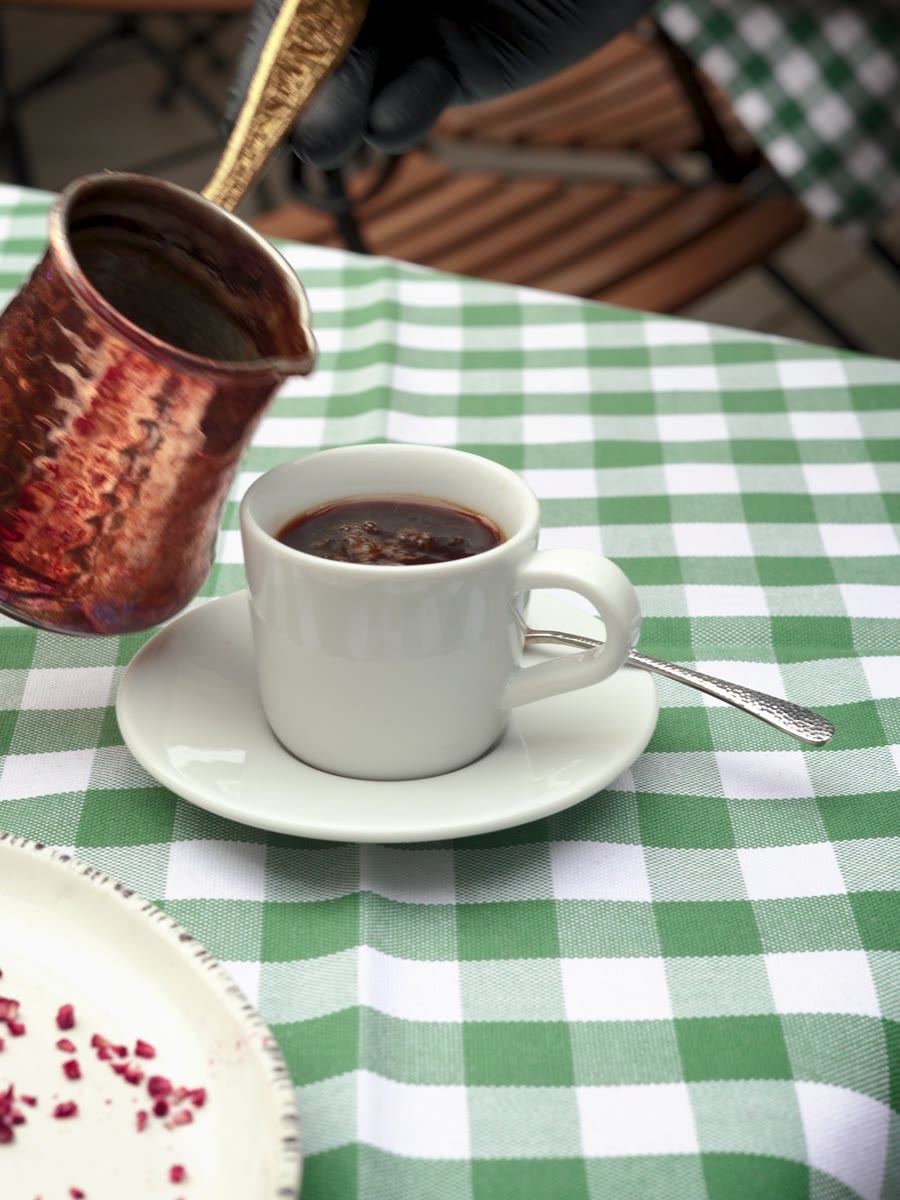

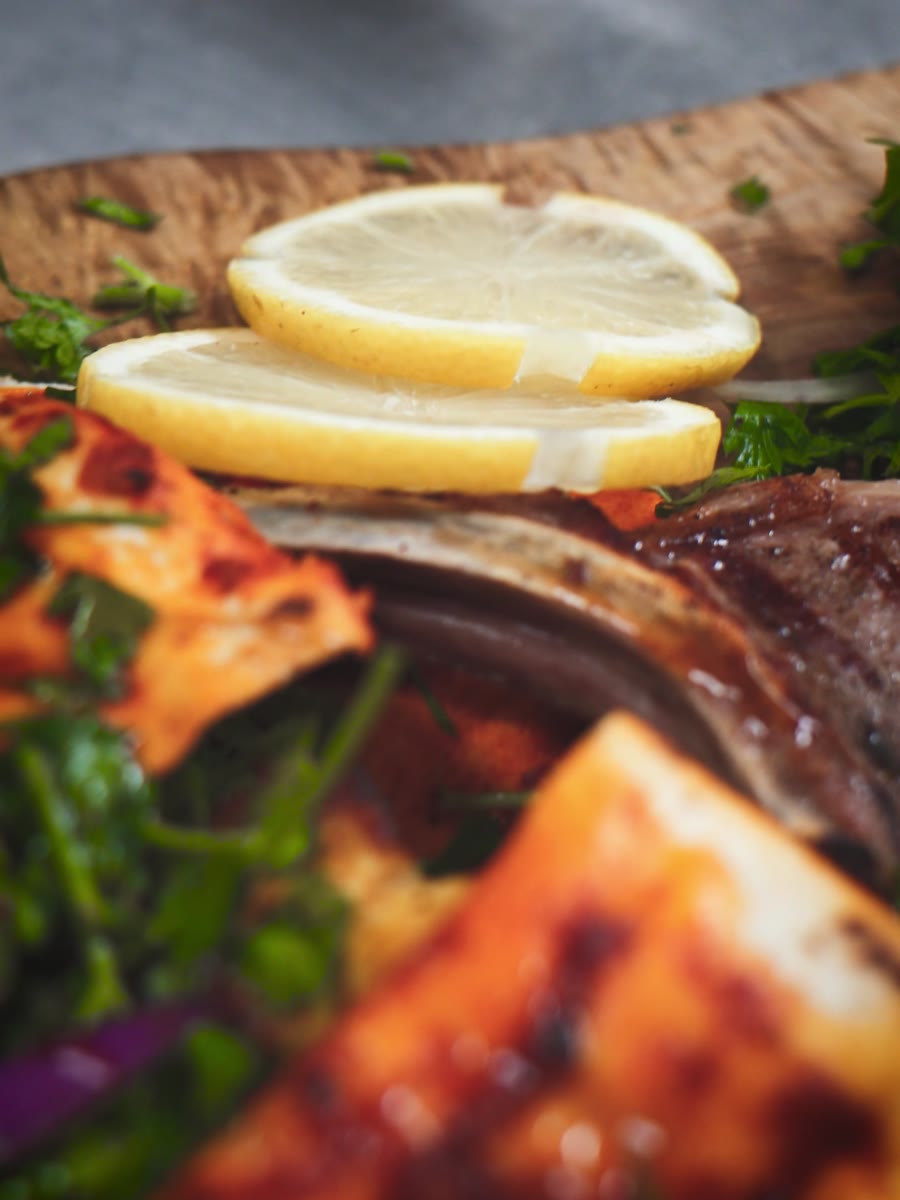
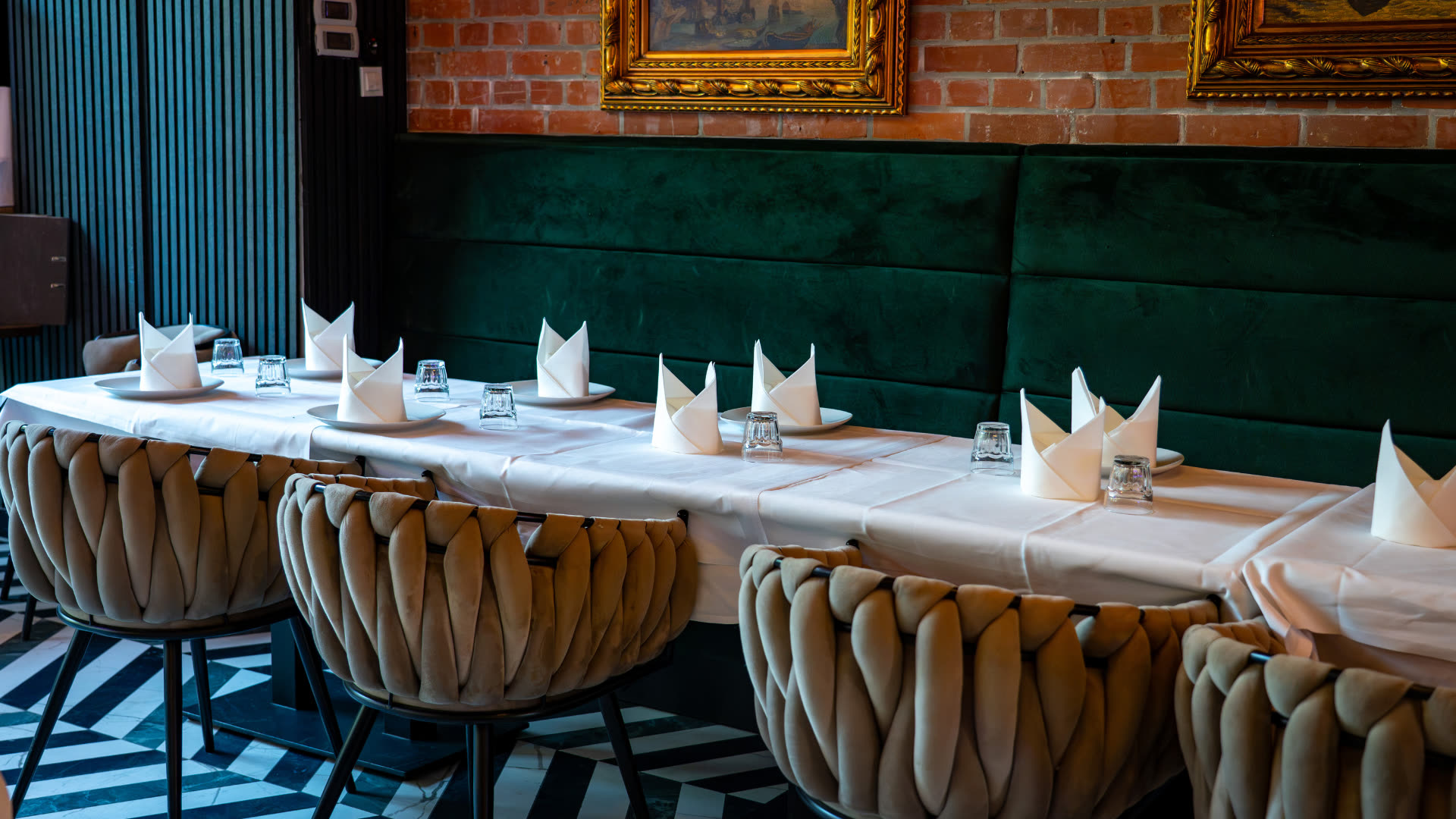
Das Essen hatte bereits eine Geschichte.
Die Marke erzählte es noch nicht.
Dasselbe Restaurant, zwölf Monate später
Eines davon wurde gestaltet.
Das andere wurde gepostet.
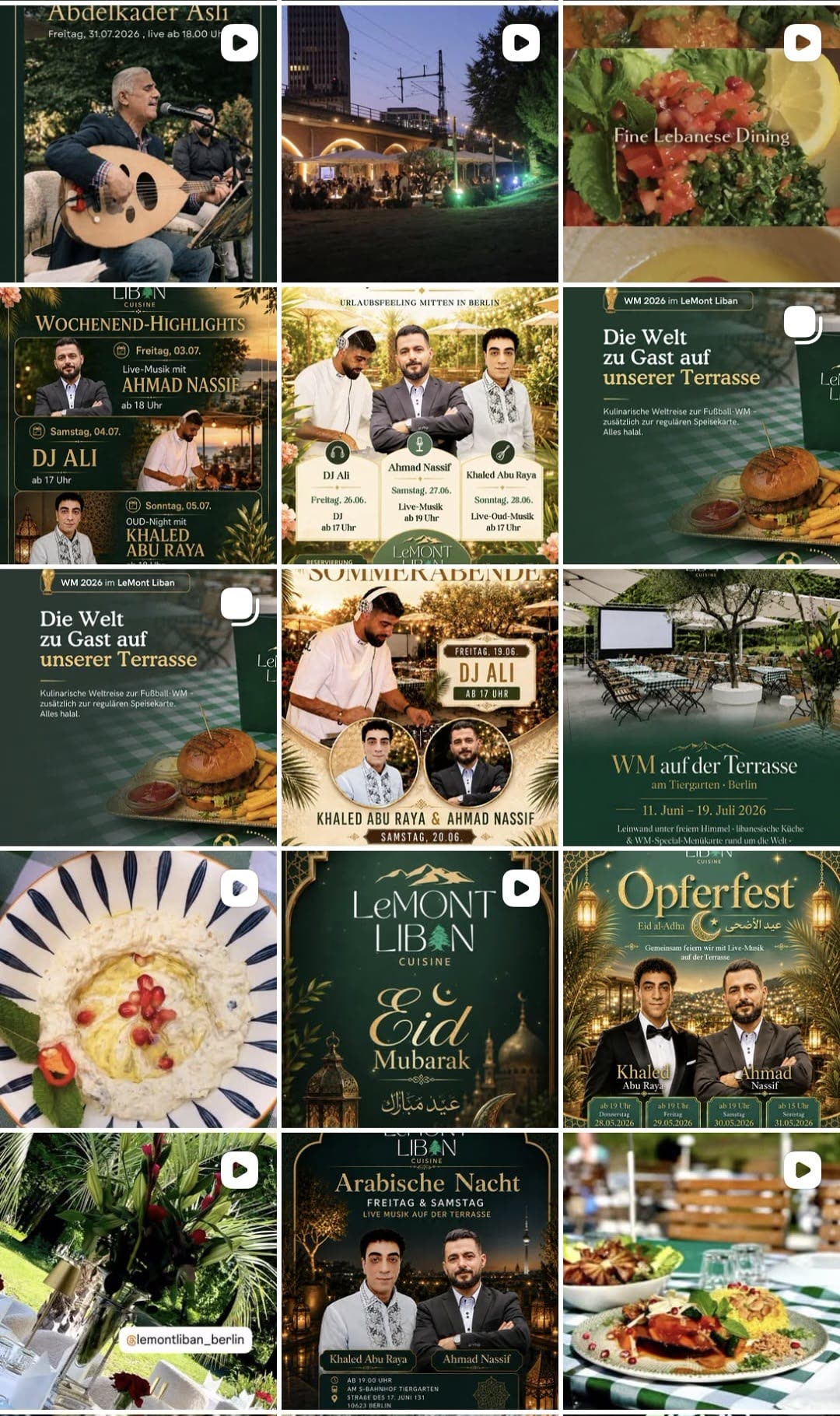
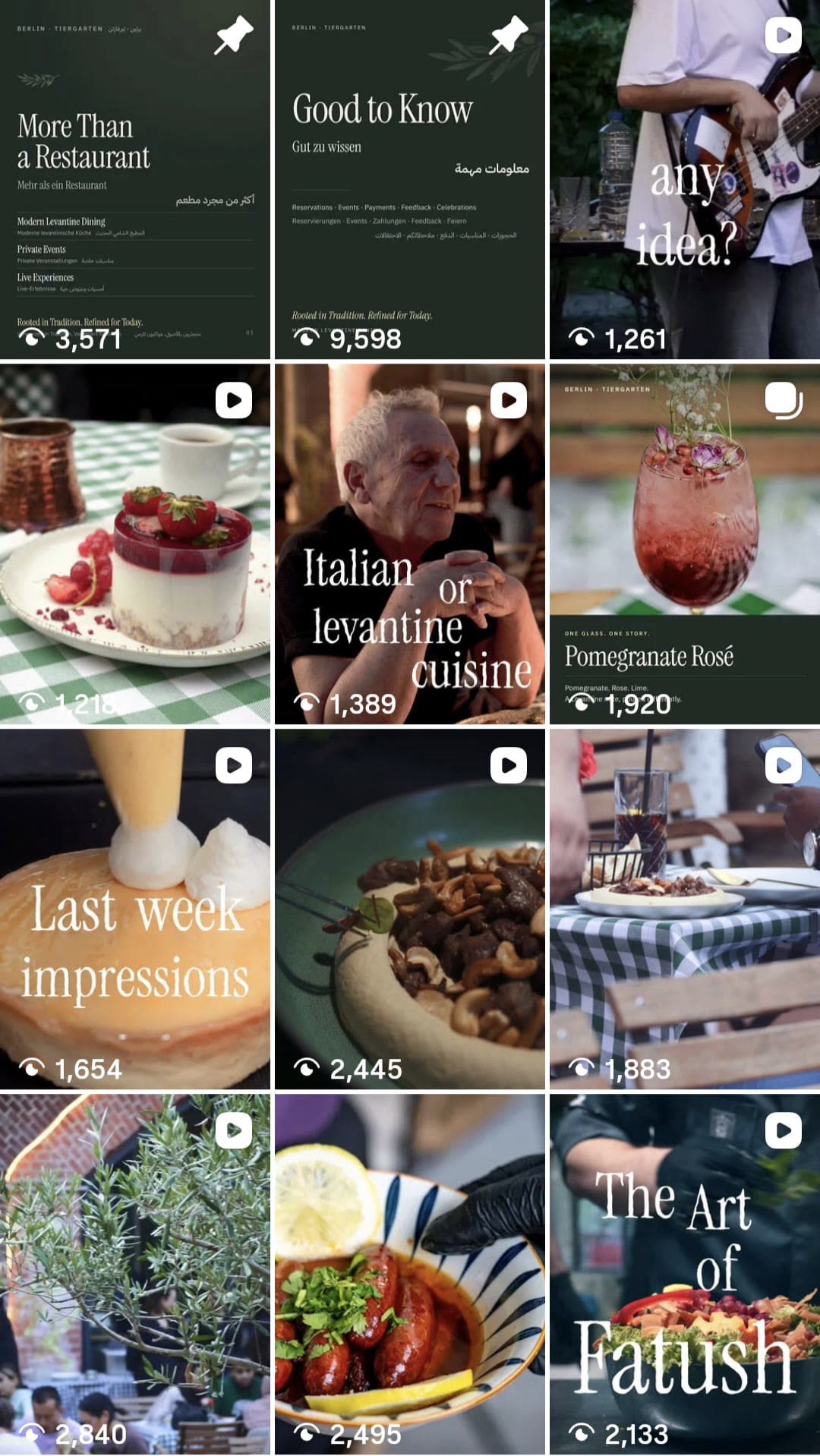
Goldene Ränder.
Jede Woche eine andere visuelle Sprache.
Ein kreatives System.
Jeder Berührungspunkt ist als LeMont erkennbar.
IBM Plex Sans trägt die Fakten.
Der Abstand zwischen ihnen ist die Marke.



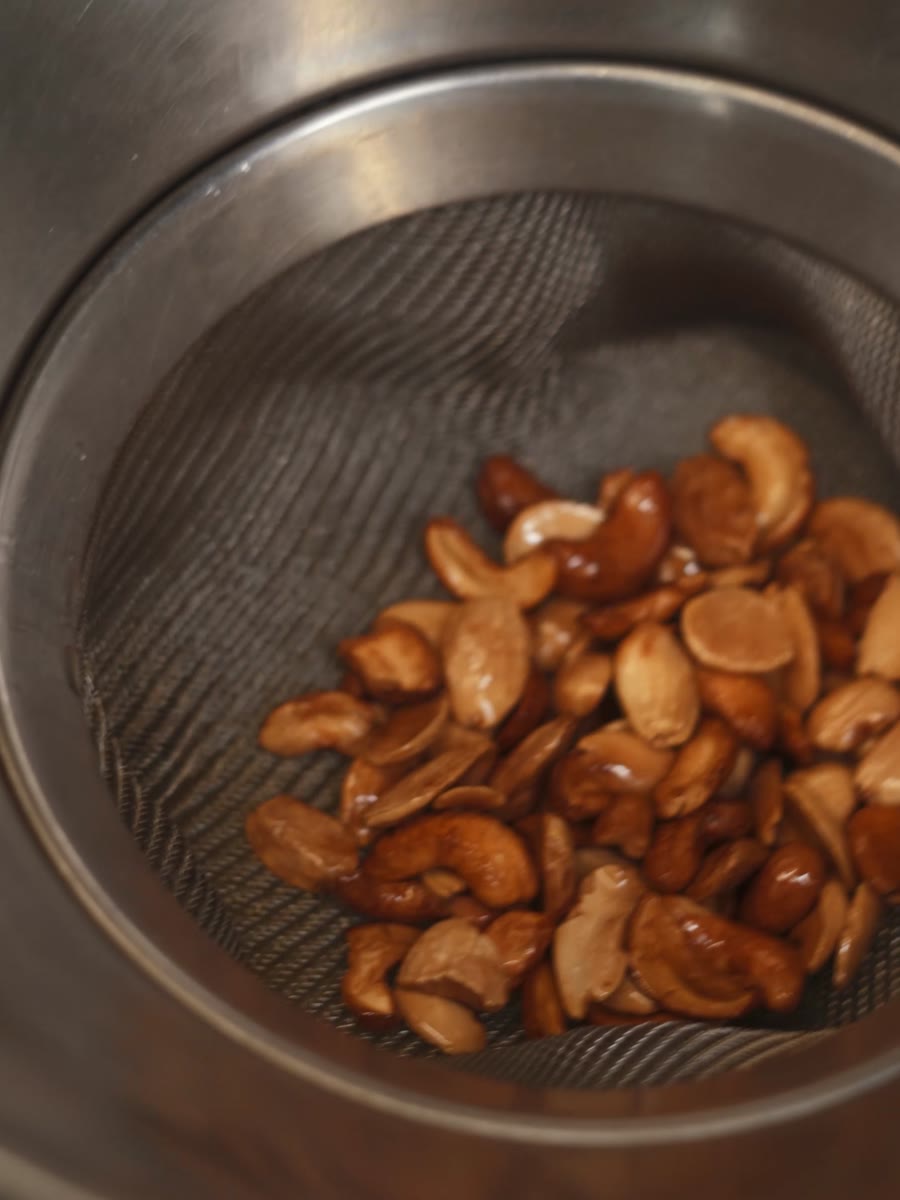
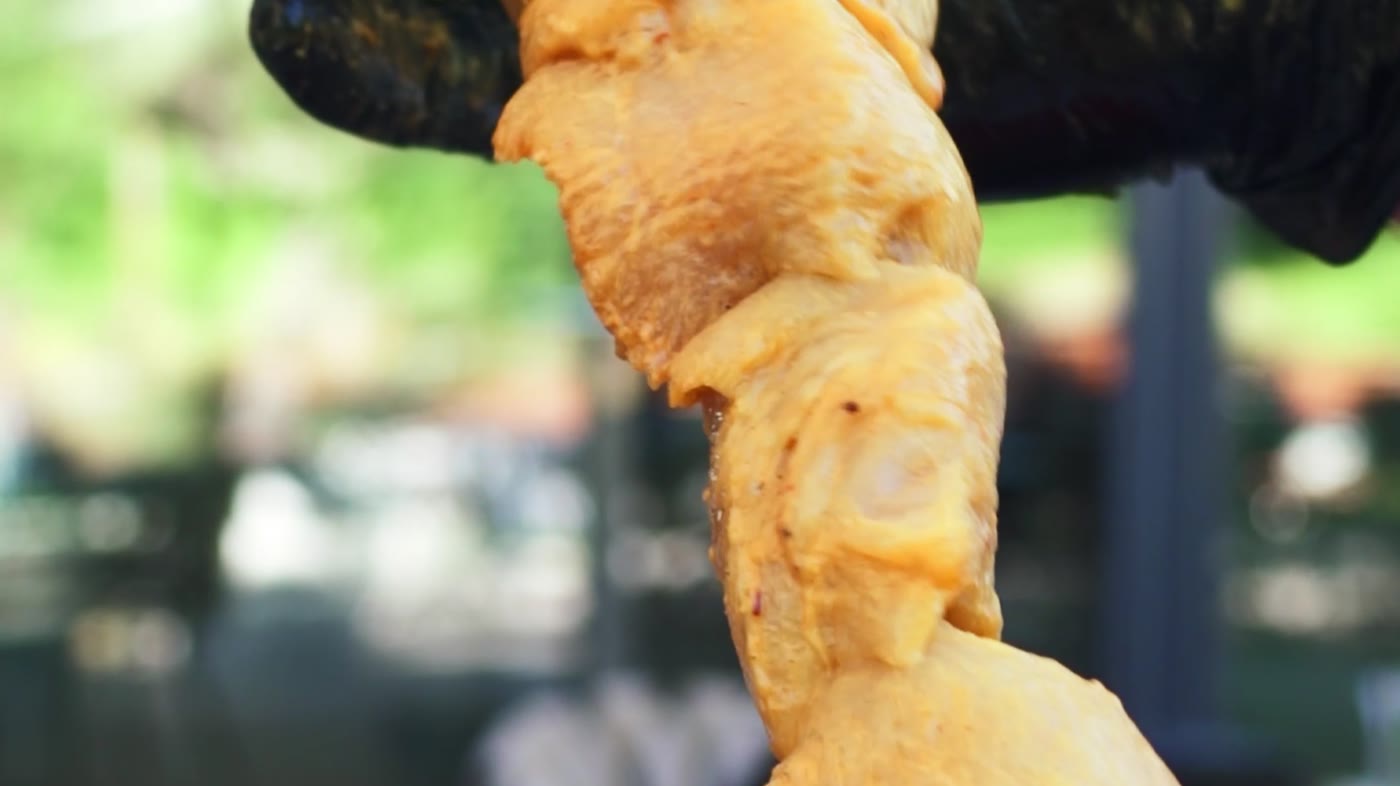
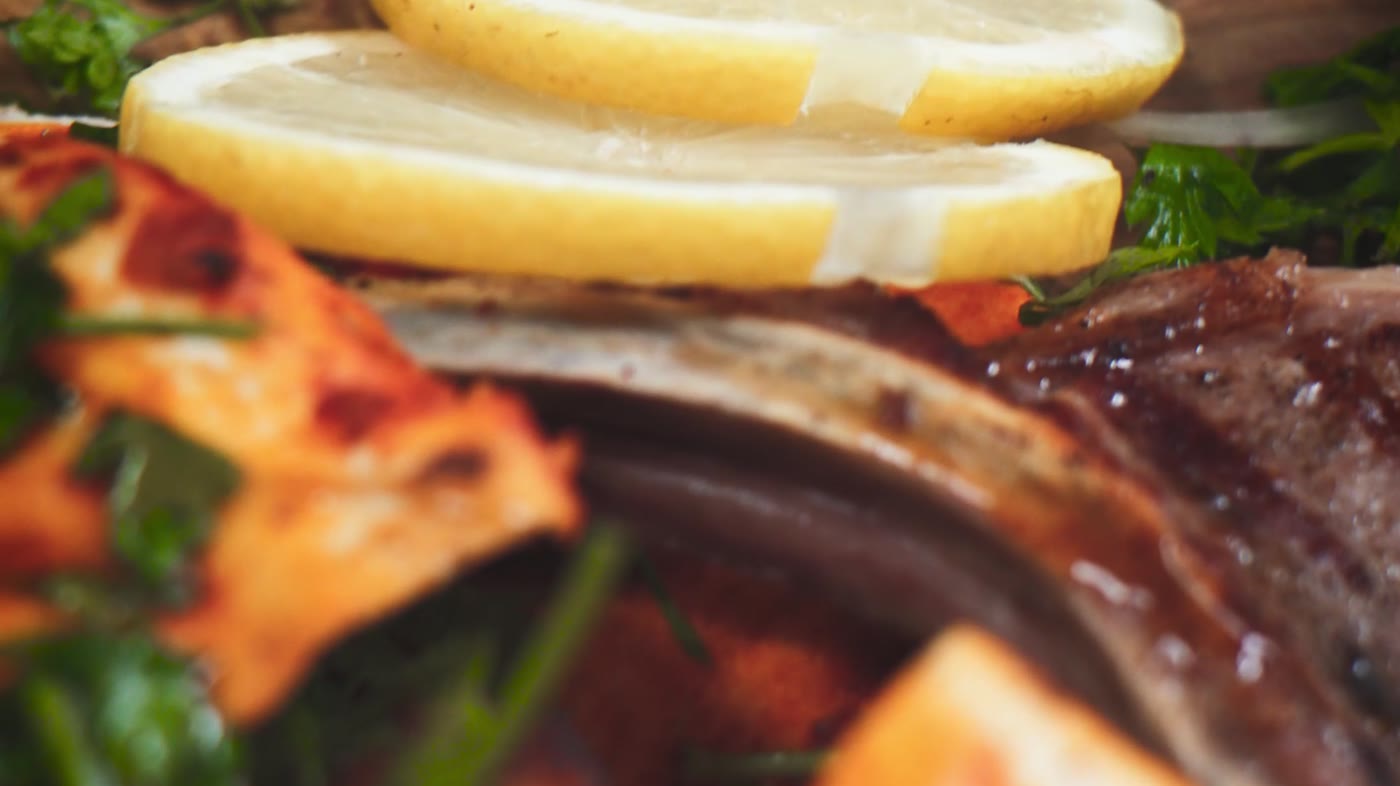
So fotografiert, wie es tatsächlich gegessen wird
Was wäre, wenn man die Identität schmecken könnte?
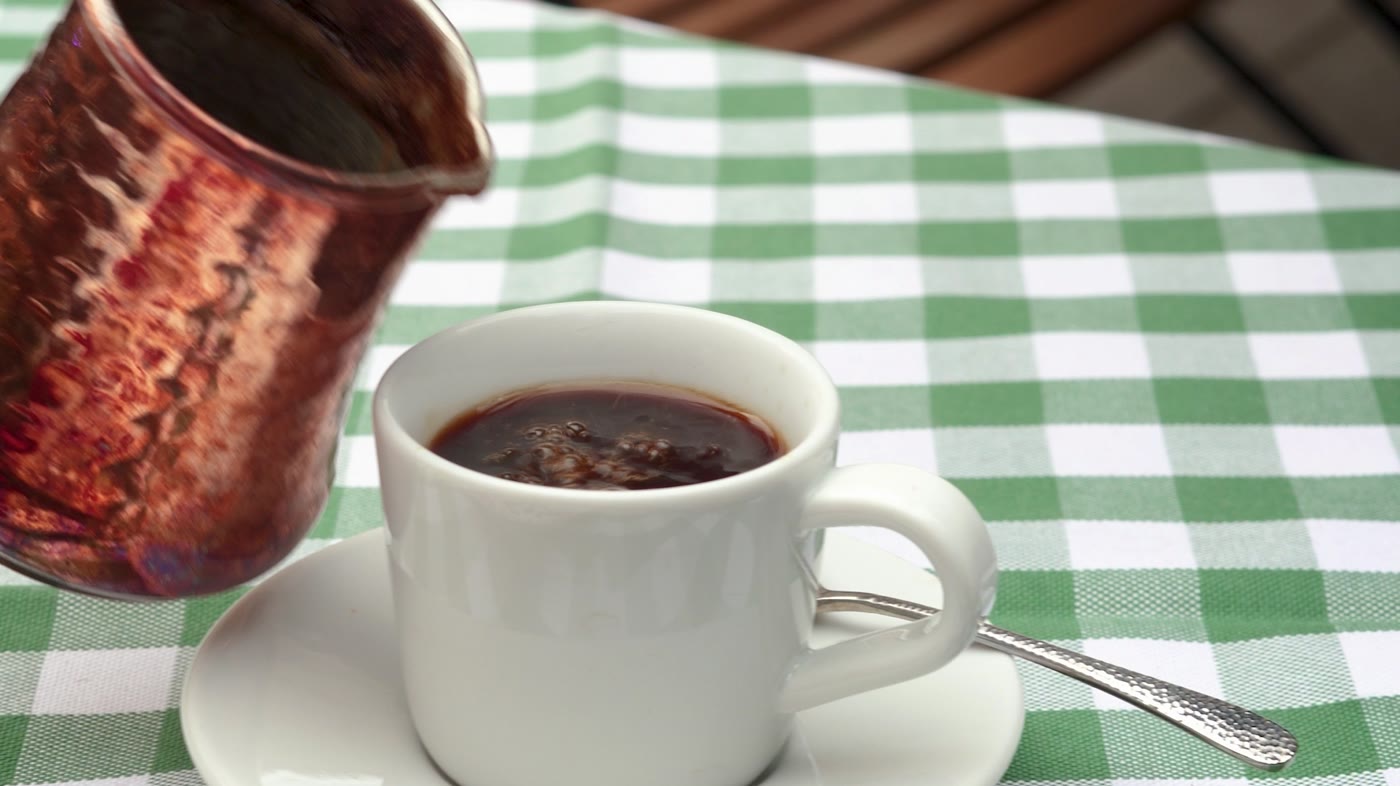
Ein Signature-Drink, der so durchdacht schmeckt, wie die visuelle Identität wirkt.
Content, der sich anfühlt wie der Ort selbst.
Das Color Grading
Drei Farbabstimmungen. Eine fühlte sich an wie der Raum.


FemiCora



Dein Beckenboden ist bereits Teil deines Lebens.
Fast niemandem wurde es beigebracht.
DM Sans liefert die Fakten.
Buttergelb für das Wesentliche. Babyblau für das Beruhigende.
Ein Thema, unterteilt in vier Bereiche, nach denen eine Frau fragen kann.
Schmerzen & Intimgesundheit
Beschwerden, Spannungen und Intimität – klar und ohne Scham kommuniziert.
Blasen- & Darmgesundheit
Harndrang, Inkontinenz, Gewohnheiten und der Zusammenhang zwischen Alltagsverhalten und Beckenbodenfunktion.
Schwangerschaft & Wochenbett
Fundierte Aufklärung über die Veränderungen während der Schwangerschaft und nach der Geburt.
Bewegung & Prävention
Atmung, Druck, Bewegung und Training – Verständnis aufbauen, bevor Symptome zum Ausgangspunkt werden.
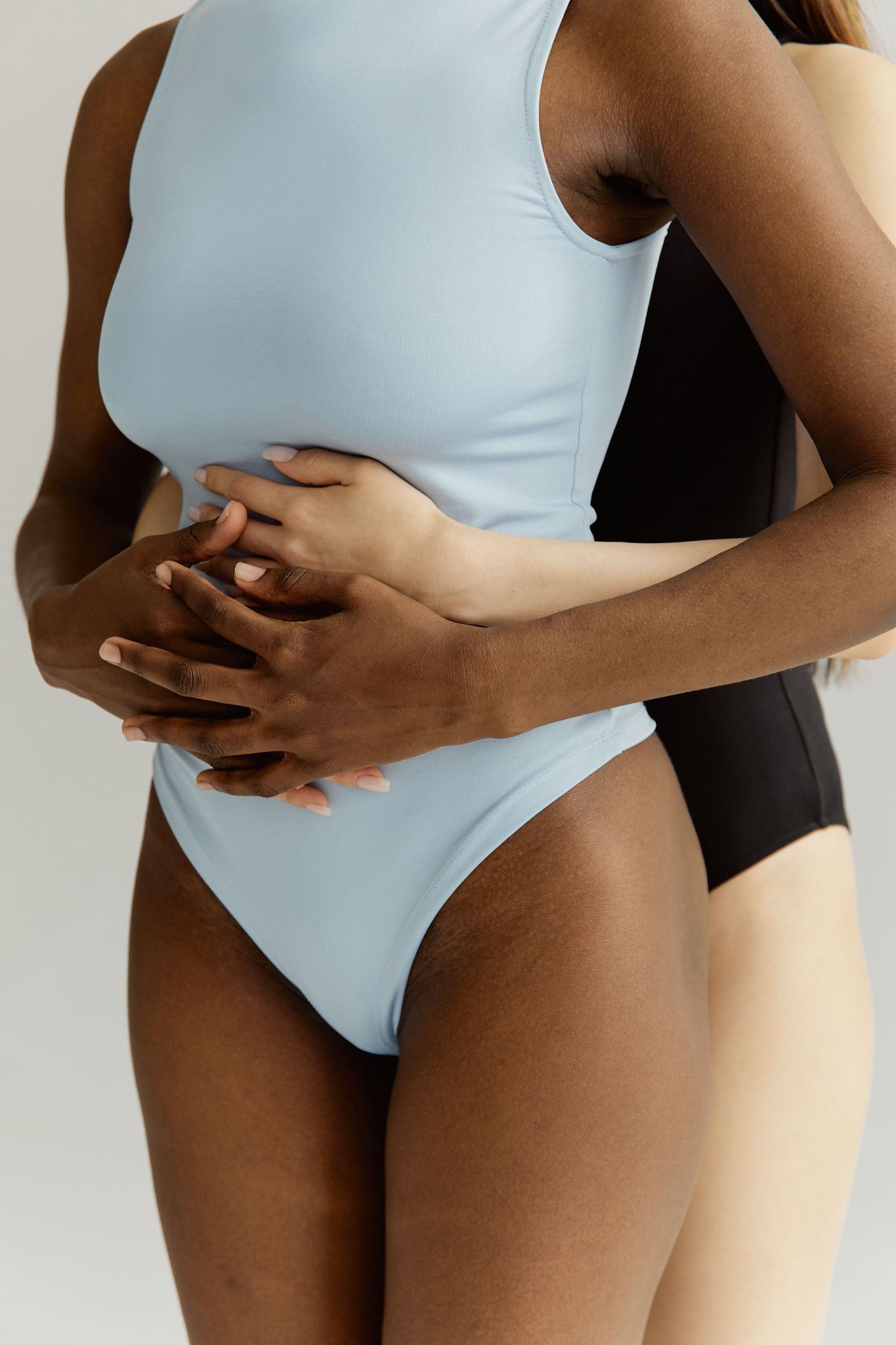
Authentische Aufnahmen, keine klinische Atmosphäre
Lerne so, wie es für dich am besten passt.
1:1 Online-Beratung
Private Sitzungen, überall. Deine Fragen, dein Körper, dein Tempo.
Privat · onlineWorkshops in Berlin
Kleine Gruppen, persönlich vor Ort. Gemeinsames Lernen nimmt dem Thema die Befangenheit.
Gruppen · vor OrtAufklärung & Prävention
Strukturierte, evidenzbasierte Inhalte für die Fragen, die schon vor den ersten Symptomen auftauchen.
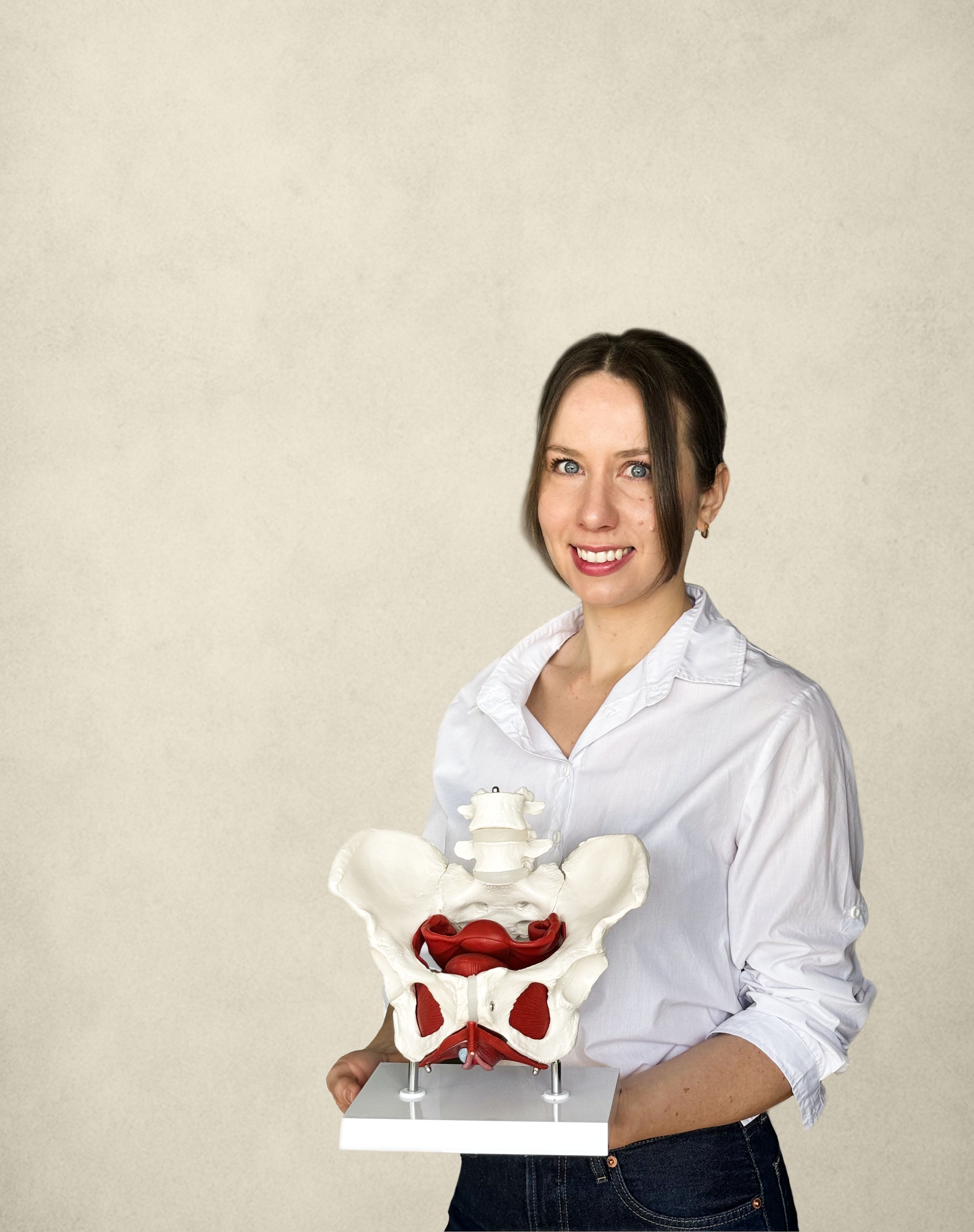
Im eigenen Tempo · evidenzbasiertPhysiotherapeutin für Frauengesundheit
FemiCora wurde ins Leben gerufen, um Wissen über Beckengesundheit verständlicher und zugänglicher zu machen – nicht erst bei akuten Beschwerden, sondern als Teil einer umfassenden Aufklärung und Prävention.
ALETRA Journey — Brand Experience Case Study

The ALETRA Journey — An Interactive AI Brand Experience
How ALETRA used AI to build an interactive brand journey, guided by human strategy, taste, and creative direction.
Introduction
The ALETRA Journey is an internal brand experiment by ALETRA, KI-Branding- & Kreativstudio für Hospitality in Berlin, working worldwide.
It was created to answer one simple question:
What happens when AI is not used as a shortcut, but as a creative partner inside a clear brand system?
The result is an interactive digital brand journey — part pitch, part website experience, part proof of concept. Instead of explaining ALETRA only through a static presentation, we built an experience that shows how we think, design, structure, and use AI in a human way.
This project became a live demonstration of what ALETRA helps brands build:
clearer communication, stronger visual direction, and digital brand experiences that still feel human.
The Challenge
Most AI-generated brand work has the same problem.
It can look impressive for a few seconds, but it often feels generic, overloaded, and disconnected from the actual brand.
The first versions of the ALETRA Journey had exactly that tension. Some AI-generated outputs were visually interesting, but too busy. Some animations felt exciting, but interrupted the reading experience. Some layouts looked futuristic, but did not feel calm, premium, or clear enough for ALETRA.
The challenge was not just to create something with AI.
The challenge was to create something that still felt like a brand.
That meant every part of the experience needed direction:
The typography had to be readable.
The movement had to feel intentional.
The story had to be simple.
The pacing had to feel calm.
The visual atmosphere had to support the message, not compete with it.
For ALETRA, this became the core test:
Can AI help us build something faster without losing taste, clarity, and emotional direction?
The Strategic Idea
The idea behind the ALETRA Journey was simple:
Don’t present the brand. Let people move through it.
Instead of building a traditional pitch deck, we created a scroll-based brand experience that feels like a journey. Each section reveals part of ALETRA’s thinking: what we believe, how we work, and why AI needs human direction to become useful for real businesses.
The experience was designed around one central belief:
AI can create possibilities.
Human direction turns them into meaning.
This is also the foundation of ALETRA’s work as an AI branding and creative studio for hospitality. We do not use AI to replace strategy, taste, or creative judgment. We use it to expand what is possible — then we shape the result through brand thinking, structure, and human sensitivity.
The Process
1. Building the Brand Narrative
The first step was to define the story.
The ALETRA Journey had to explain the studio without sounding like a normal agency presentation. It needed to feel clear, but not flat. Premium, but not cold. Technological, but still human.
The narrative was built around ALETRA’s core belief:
Human taste. AI speed.
From there, the experience was shaped into a sequence:
who we are, what we believe, what we build, how AI fits into the process, and why human creative direction still matters.
The goal was not to say everything.
The goal was to make the visitor feel the direction of the brand.
2. Using AI as a Creative Production Partner
AI was used to explore, prototype, generate, and test ideas faster.
It helped with structure, interface directions, animation concepts, copy variations, and interactive experience logic. But none of the AI outputs were treated as final.
Every result was reviewed through a human creative lens:
Does this feel like ALETRA?
Is it readable?
Is it too loud?
Does the motion support the story?
Does the design create trust?
Would a client understand what we do faster after seeing this?
This is where the real work happened.
AI gave options.
Human direction made decisions.
3. Refining the Experience
The early versions were too visually heavy.
Some transitions were distracting. Some layouts reduced readability. Some effects looked interesting, but made the experience feel less calm and less premium.
So the project moved into refinement.
The visual system became more restrained.
The movement became slower and more intentional.
The copy became simpler.
The reading experience became more important than the effect.
The journey became less about showing technology and more about showing clarity.
This was a key part of the process because it reflects exactly how ALETRA works with clients.
We do not stop at “AI made something.”
We keep shaping until the work feels clear, useful, and aligned with the brand.
4. Turning a Pitch Into a Brand Experience
The final ALETRA Journey became more than a pitch.
It became a digital brand asset.
It can be used in client conversations, portfolio presentations, social media and website storytelling. It gives people a faster emotional understanding of ALETRA than a normal text page could.
It also shows how brands can move beyond static communication.
A brand does not only need a logo, colors, and a website.
It needs a way to explain itself clearly across every touchpoint.
The ALETRA Journey explores how interactive storytelling, AI-supported production, and strong creative direction can create a more memorable first impression.
The Final Result
The final result is an interactive AI brand experience that introduces ALETRA through motion, atmosphere, structure, and storytelling.
It shows the studio’s ability to combine:
Brand strategy
AI-supported creative production
Visual direction
Copywriting
Interactive web experience
Storytelling
Human-centered AI thinking
The ALETRA Journey is not only a project about AI.
It is a project about direction.
It shows that the value is not in using AI alone. The value is in knowing what to ask, what to keep, what to remove, what to refine, and how to turn raw output into a coherent brand experience.
.png)